Top Wire Bonder Machine Features and Benefits for Buyers?
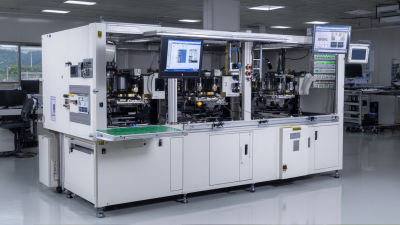
In the realm of semiconductor manufacturing, the **Wire Bonder Machine** plays a critical role in ensuring electronic devices function reliably. According to a recent report by Technavio, the global wire bonding market is expected to grow by 6.3% annually, driven largely by advancements in technology and increasing demand for compact electronic solutions. Experts like Dr. Lisa Chen, a leading figure in semiconductor production, state, "Investing in efficient wire bonding technology can significantly enhance product quality and reduce assembly costs."
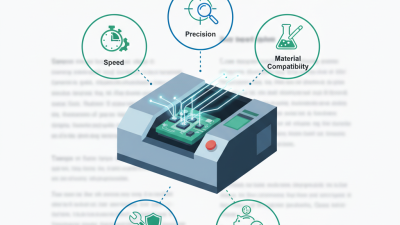
The features of a **Wire Bonder Machine** greatly influence performance and efficiency. Factors such as bond strength, speed, and precision are paramount. In a highly competitive industry, buyers must critically evaluate these features. An underperforming machine can lead to costly defects, impacting overall production timelines. Various models may offer different capabilities, but not all are suited for specific applications.
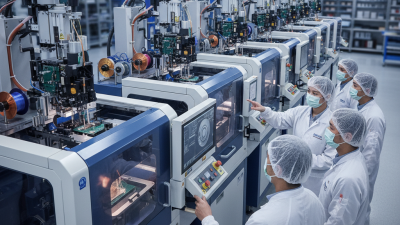
While advancements in technology are promising, potential shortcomings exist. Newer machines may require extensive training for operators, which can disrupt workflow. It’s crucial for buyers to weigh benefits against challenges. Robust features must align with real-world applications for optimal results. In this landscape, making an informed decision hinges on understanding the intricate balance of functionality and usability in **Wire Bonder Machines**.
Key Features of Wire Bonder Machines for Optimal Performance
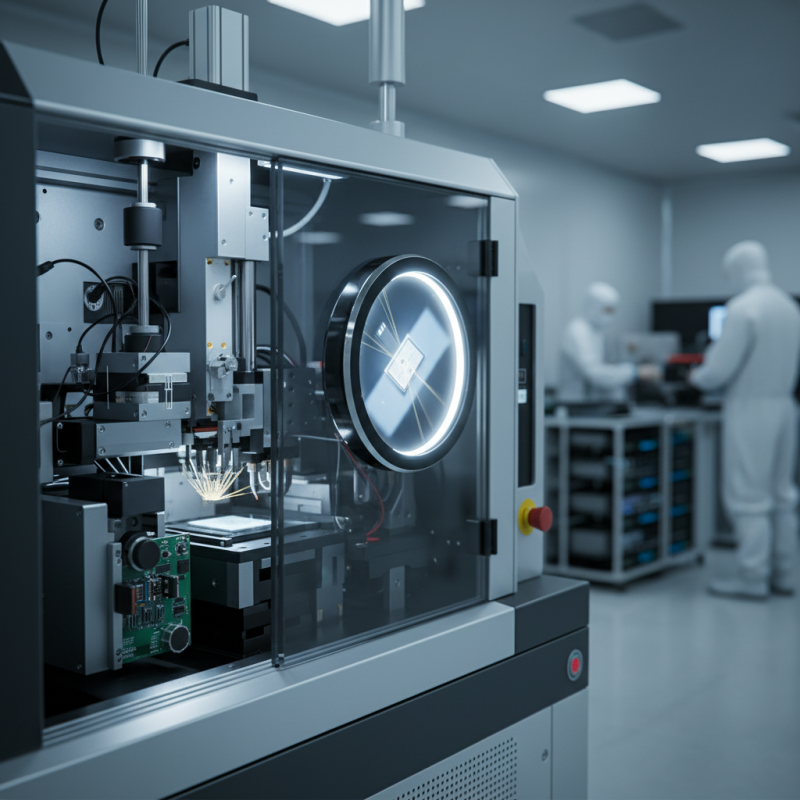
When considering wire bonders, specific features can significantly enhance performance and reliability. Speed and precision are critical factors. According to industry reports, machines with advanced motion control can achieve bond rates exceeding 20,000 bonds per hour. This efficiency improves throughput, but one must consider if this speed compromises bond integrity in sensitive applications.
The accuracy of wire positioning is crucial. High-resolution cameras integrated with real-time feedback systems enable precise adjustments during operation. A study indicated that systems with these features reduced bond defects by up to 30%. However, it's essential to evaluate whether your environment can accommodate such advanced technology without excessive maintenance or operational training.
Another vital aspect is the adaptability of the machine. The best wire bonders can handle various wire types and sizes. This flexibility allows manufacturers to pivot quickly to changing market demands. Yet, this adaptability may come at a cost. The complexity of features could lead to increased downtime if operators are not adequately skilled. Buyers must weigh the benefits against potential challenges in operator training and machine management.
Understanding the Different Types of Wire Bonder Machines Available
Wire bonders play a crucial role in the semiconductor manufacturing process. Different types of wire bonders can cater to various production needs. For instance, there are
ball bonders and
wedge bonders. Ball bonders use a melting process to create a small ball at the end of the wire. This method is highly effective for applications requiring
strong connections. On the other hand, wedge bonders employ a different approach, using a mechanical wedge to make the bond, which is often preferred for
flat surfaces.
Each machine type has its unique benefits. Ball bonders generally provide faster production speeds, making them suitable for
high-volume operations. Wedge bonders, however, offer versatility in materials and are excellent for
complex chip layouts. Some machines come with advanced features, such as adjustable parameters for wire length and bonding force. These
customizations can enhance productivity and quality but may require more
training for operators.
Choosing the right wire bonder is not always straightforward. Sometimes, one might
underestimate the complexities involved. Analyzing the specific application needs is essential. Evaluating
the materials and the complexity of the designs will lead to better decisions. It’s wise to consider not just the immediate benefits, but also the
long-term implications for production efficiency and product reliability.
Benefits of Advanced Technology in Wire Bonder Machines
In the world of wire bonding, advanced technology plays a crucial role. Modern wire bonders are equipped with features that enhance precision and efficiency. These machines utilize sophisticated algorithms to control bonding processes precisely. This precision significantly reduces the risk of defects in semiconductor packaging. The result is improved reliability and performance, which is essential in competitive markets.
Moreover, automation in these machines saves time and labor costs. Users can program the bonding parameters, minimizing manual intervention. This not only increases throughput but also lowers human error. However, integrating advanced technology can be complex. New users may face a steep learning curve. Training becomes essential to harness the full potential of these machines.
While advanced technology offers many benefits, it brings challenges too. The initial investment can be high. Maintenance requires expertise that not all operators possess. Buyers should weigh these factors carefully. Balancing the benefits of improved efficiency against potential complexities can lead to better decision-making. Investing in advanced wire bonders is a step that demands thoughtful consideration.
Top Wire Bonder Machine Features and Benefits for Buyers
| Feature |
Description |
Benefits |
| High-Speed Bonding |
Ability to perform bonding at high speeds without compromising quality. |
Increased productivity and throughput in manufacturing processes. |
| Automated Adjustments |
Smart systems that adjust parameters automatically for various materials. |
Reduces setup time and minimizes operator error. |
| Multi-Process Capability |
Supports various bonding techniques such as ultrasonic, thermo-compression, and laser bonding. |
Versatile machine suitable for diverse applications. |
| User-Friendly Interface |
Intuitive touchscreen controls and ease of operation. |
Simplifies training and increases operator efficiency. |
| Compact Design |
Space-saving footprint without sacrificing performance. |
Ideal for smaller production floors and helps maximize space. |
| Real-Time Monitoring |
Continuous monitoring of process parameters during operation. |
Enhances quality assurance and minimizes defects in production. |
Cost Considerations and Value for Buyers Investing in Wire Bonding
Investing in wire bonding technology requires careful consideration of cost and value. Buyers often face challenges in assessing the true worth of a wire bonder. The initial price tag can be misleading, as cheaper machines may incur higher operating costs over time. Examining the machine's efficiency and durability is crucial for making an informed decision.
Beyond the purchase price, think about the long-term benefits. High-quality wire bonders offer precision and reliability, reducing the need for frequent maintenance. This saves you money and time. In addition, a machine that produces better yields can significantly enhance profitability.
Tip: Evaluate the total cost of ownership. Factor in maintenance, repair, and potential downtime costs.
Buyers should also consider the technology's adaptability. A machine that can handle various materials and applications may be more valuable in the long run. This flexibility allows manufacturers to pivot quickly in response to market changes.
Tip: Research the resale value of machines. A better resale option can offset initial expenses.
Reflecting on these aspects helps buyers choose wisely. Understanding the complexities of wire bonding technology leads to more informed investments. Ultimately, it is about balancing cost with the machine's potential to add value to your operations.
Maintenance Tips for Longevity of Wire Bonder Machines
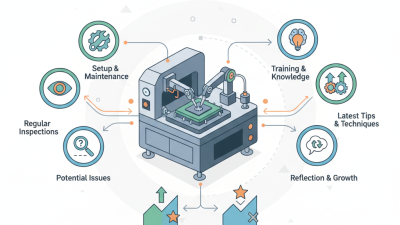
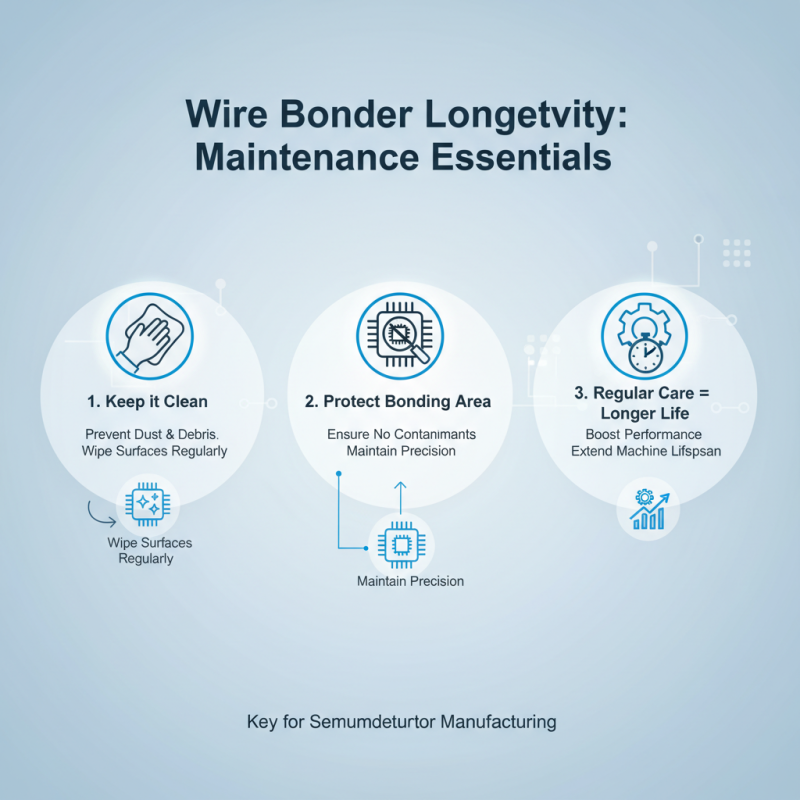
Wire bonders are critical in semiconductor manufacturing. Proper maintenance can extend their lifespan significantly. First, always keep the machine clean. Dust and debris can affect performance. Regularly wipe down surfaces and ensure no contaminants enter the bonding area. This small task helps maintain precision.
Next, check your tools frequently. Worn or damaged tools can lead to poor bonding quality. Inspect the bond wires, capillaries, and other components for wear and tear. It’s good practice to have spare parts available. They can be replaced immediately if any issues arise. Preventative measures go a long way in machine longevity.
Finally, ensure that the software is updated. Outdated software can introduce inefficiencies and bugs. Follow the manufacturer’s guidelines for updates. Training staff on proper operation is equally essential. Educated employees can spot potential problems early. It’s easy to overlook these aspects, but neglect could be costly. Keeping a checklist can help maintain focus on these important tasks.