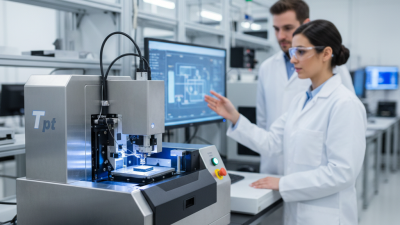
Top 10 Benefits of Die Pick Up And Place Technology?
Die Pick Up And Place technology has revolutionized manufacturing and assembly processes. This innovative method enhances precision and efficiency in handling delicate components. In recent years, the demand for advanced automation has driven the industry to adopt these techniques.
The primary advantage of Die Pick Up And Place lies in its ability to minimize human error. Automated systems can precisely position components, significantly reducing the risk of damage. Additionally, this technology improves production speed, helping businesses meet tight deadlines. Yet, companies must continuously evaluate their systems to ensure optimal performance.
Implementing Die Pick Up And Place systems can lead to substantial cost savings. While the initial investment may be high, the long-term benefits often outweigh these costs. Businesses can scale production without sacrificing quality. However, it is essential to regularly assess the effectiveness of these technologies. Continuous improvement and adaptation are key to success in today’s competitive market.
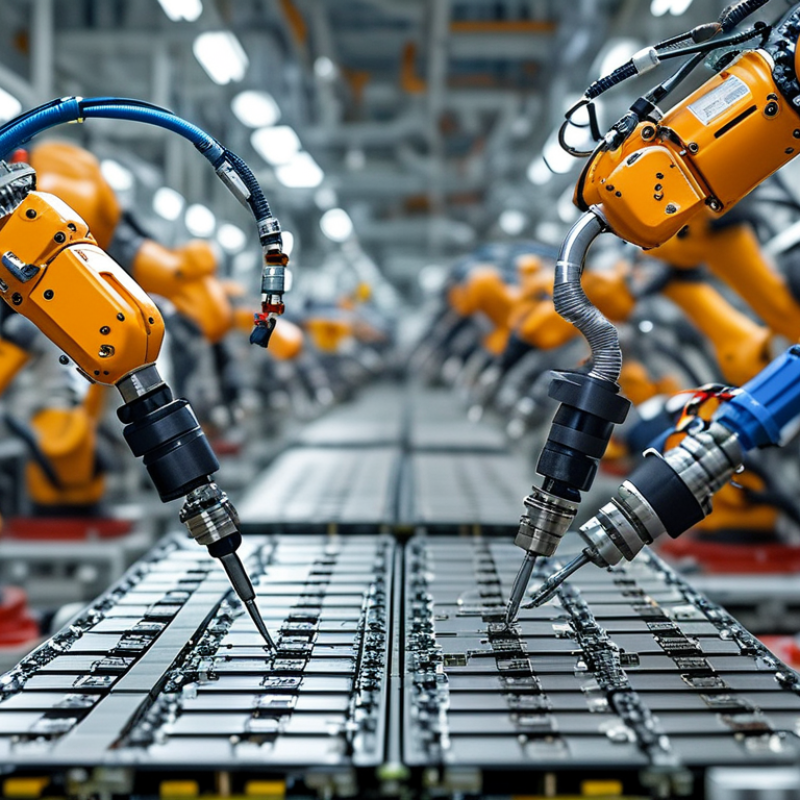
Advantages of Die Pick Up and Place Technology in Manufacturing
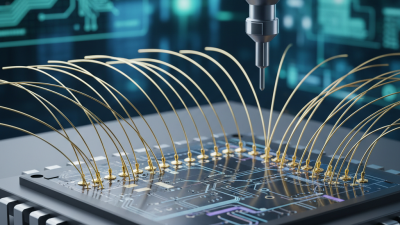
Die Pick Up and Place Technology has become a cornerstone in modern manufacturing. It enhances precision and efficiency. The technology allows for accurate placement of components, reducing human error. Automated systems pick up dies, ensuring precise alignment and positioning. This automation accelerates production rates, meeting the demands of fast-paced industries.
Moreover, this technology boosts safety in manufacturing environments. By minimizing human involvement in potentially hazardous tasks, it lowers the risk of accidents. Employees can focus on more complex operations, enhancing overall productivity. The ability to work with delicate components further underscores its value. Yet, companies must adapt and maintain these systems diligently.
While Die Pick Up and Place Technology streamlines processes, implementation requires careful planning. It can be costly to integrate into existing workflows. Maintenance of the machinery is essential for optimal performance. Regular checks and updates can prevent downtime. Companies should also consider training staff to handle advanced systems effectively. Balancing these challenges is crucial for long-term success.
Enhanced Precision in Component Placement with Die Technology
Die pick up and place technology has revolutionized component placement in the electronics industry. One significant advantage is enhanced precision. This technology employs advanced algorithms and sensors. As a result, components are placed with remarkable accuracy. Such precision minimizes the likelihood of defects. In turn, this leads to improved product reliability.
Another benefit of this technology is its ability to handle delicate components. Many electronic parts are sensitive and easily damaged. Die pick up and place machines are designed specifically to address this issue. They utilize gentle handling techniques. This reduces the risk of damage during placement. Moreover, the robots can consistently maintain quality across large productions.
However, not every aspect of this technology is perfect. Initial setup and calibration can be time-consuming. Technicians must ensure machines align correctly for optimal performance. Additionally, the machines require regular maintenance to prevent wear and tear. Such issues highlight the need for human oversight in an increasingly automated industry. Despite these challenges, the benefits of enhanced precision continue to drive innovation and growth within the field.
Increased Efficiency Through Automation in Die Handling
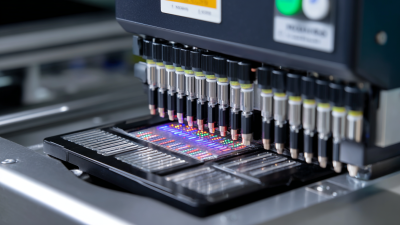
Die pick up and place technology revolutionizes die handling within manufacturing. This innovative approach drastically increases efficiency. By automating the movement of dies, companies reduce manual labor and errors. Staff can focus on more strategic tasks. As a result, productivity levels soar.
One key advantage is speed. Automated systems can pick and place dies in seconds, compared to manual processes that can take minutes. This time-saving leads to faster production cycles. It's essential to maintain these systems regularly. Neglect may lead to breakdowns, causing delays and frustration.
Another consideration is training. Implementing such technology requires proper staff training. Workers need to understand how to operate and troubleshoot automated systems. Periodic assessments can help identify gaps in knowledge. Investing in training pays off in the long run. Organizations will reap the benefits of increased efficiency and reduced operational costs.
Top 10 Benefits of Die Pick Up and Place Technology
This chart illustrates the top 10 benefits of Die Pick Up and Place technology, emphasizing the significant efficiencies and advantages realized through automation in die handling processes.
Cost Reduction Benefits Associated with Die Pick Up Processes
Die pick-up and place technology has revolutionized the semiconductor industry. One significant benefit is the significant cost reduction in die handling processes. According to a recent industry report, utilizing automated pick and place systems can lower operational costs by up to 30%. These systems streamline the assembly line, significantly reducing manual labor costs and errors during die placement.
The efficiency of automated systems ensures consistent die alignment and placement accuracy. With increased precision, companies can minimize defects and reduce waste. An industry survey revealed that companies employing this technology have seen a 25% reduction in defective products. However, the initial investment in advanced machinery can be a barrier for some firms. Balancing these upfront costs with the long-term savings is a crucial consideration in implementing die pick-up processes.
Labor costs can be volatile, often influenced by factors like inflation and labor shortages. Companies that leverage pick-up and place technology can mitigate these risks. This approach also allows for reallocating resources towards more strategic tasks. While automation offers significant advantages, companies must continuously monitor and adapt their processes for optimal results. The journey towards automation requires careful planning and reflection on existing practices for substantial cost benefits.
Top 10 Benefits of Die Pick Up And Place Technology
| Benefit |
Description |
Estimated Cost Reduction (%) |
| Increased Efficiency |
Automated processes reduce handling time. |
20% |
| Reduced Labor Costs |
Less manual labor required for placement. |
15% |
| Minimized Errors |
Precision in placement reduces defects. |
10% |
| Improved Safety |
Lowers risk of workplace injuries. |
5% |
| Scalability |
Easier to scale operations up or down. |
12% |
| Lower Material Waste |
Optimal material handling reduces scrap. |
18% |
| Faster Production Rates |
Higher throughput with automation. |
25% |
| Quality Control |
Consistent quality from automated systems. |
8% |
| Enhanced Flexibility |
Adjusting to different production needs quickly. |
7% |
| Long-Term Cost Savings |
Reduced operational costs over time. |
30% |
Versatility of Die Pick Up and Place Systems Across Industries
Die pick up and place technology has emerged as a versatile solution across various industries. In manufacturing, for instance, this system enhances efficiency in assembly lines. According to a 2022 report by the Robotics Industry Association, automation has boosted productivity by over 30% in sectors that utilize these systems. Such statistics underline the growing significance of die pick up and place technology.
In the semiconductor industry, this technology plays a pivotal role. Precise placement of dies on wafers is critical. Recent studies reveal that errors in die placement can lead to yield losses of up to 40%. Implementing advanced pick and place systems can significantly minimize these errors. However, the transition to automated systems is not free of challenges. Training staff and optimizing workflows can be time-consuming.
Furthermore, the healthcare sector has begun to adopt this technology. Laboratories benefit from automated sample handling. A report from the International Federation of Robotics indicated that automated systems could reduce processing times by nearly 50%. Still, reliance on technology raises concerns about data security and system failures. Addressing these challenges is crucial for industries looking to fully embrace die pick up and place systems.