Essential Guide to Choosing the Best Epoxy Stamping Tool?
Choosing the right Epoxy Stamping Tool can be a daunting task. With so many options available, how do you find the best one? This guide aims to simplify your selection process. We’ll explore essential factors that make a tool effective and reliable.
An ideal Epoxy Stamping Tool should be easy to use. Ergonomics play a key role in design. You want a tool that fits comfortably in your hand. It's also crucial to consider the materials used in the tool's construction. High-quality materials last longer and deliver better results. Unfortunately, not all tools on the market meet these standards, which can lead to frustrating experiences.
Price is another factor to weigh. While some tools offer advanced features, they may not fit everyone's budget. It’s important to balance cost against quality. Moreover, you might want to look for tools with good customer reviews. These insights can reveal potential shortcomings. Understanding these elements will empower you to make an informed choice.
Understanding Epoxy Stamping Tools: A Comprehensive Overview
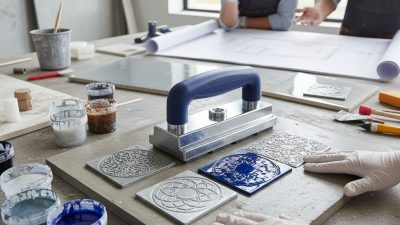
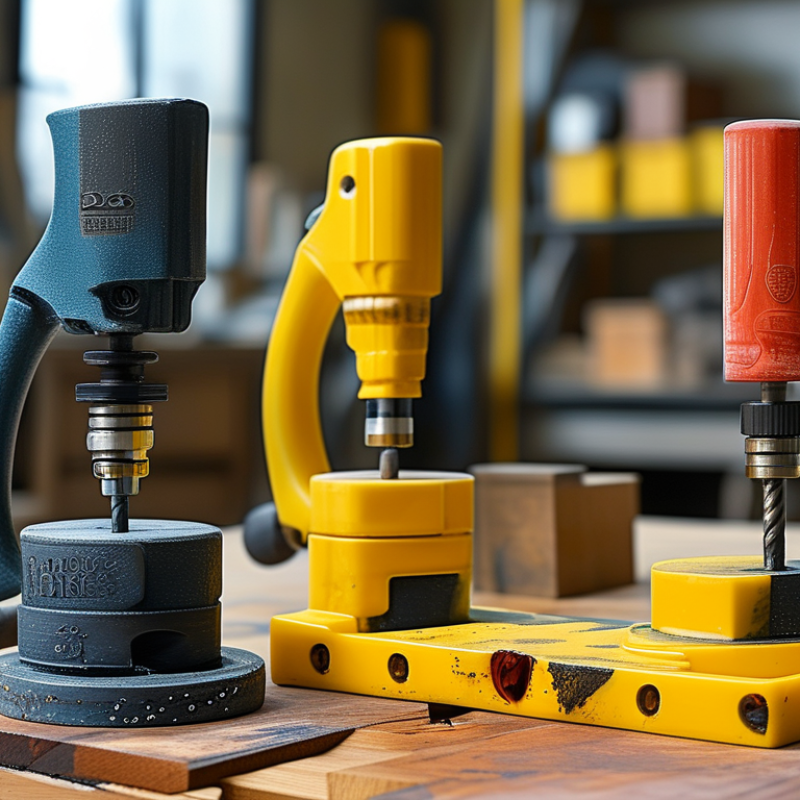
Understanding epoxy stamping tools is essential for achieving high-quality results. These tools come in various shapes and sizes, suitable for different projects. Epoxy stamps are used to create detailed designs on epoxy surfaces. They allow for intricate patterns and textures, enhancing the final appearance of your work. Choosing the right tool can make or break your project.
Tips: Always consider the hardness of the tool. Softer tools create deeper impressions, while harder ones provide finer details. A good grip is also crucial. If your tool slips, your design may suffer. Test various options before settling on one design.
Tool maintenance is critical for longevity. Clean your tools immediately after use to prevent residue buildup. Letting the epoxy cure on the tool can lead to mistakes in future projects. Remember, it's okay to make mistakes along the way; they often lead to new ideas.
Tips: Experiment with different techniques. Create a practice piece to determine the right pressure needed for your chosen tool. Finding the balance may take time, but it will enhance your skills tremendously. Adjusting pressure can yield surprising results, so don’t be afraid to explore.
Key Factors to Consider When Choosing Epoxy Stamping Tools
Choosing the right epoxy stamping tool can significantly impact your project. Several factors should be considered to ensure you make a wise decision. Quality, durability, and ease of use are paramount. Look for tools made from high-grade materials. They last longer and withstand the rigors of frequent use.
Tips: Check for ergonomic designs. They can minimize hand fatigue during lengthy stamping sessions. Also, consider the tool’s weight. A heavier tool might feel more stable but could be tiring over time.
Another key factor is the tool’s versatility. Some tools can be used for various projects, saving you money and storage space. Ensure compatibility with different epoxy types for the best results.
Tips: Use a test piece. This practice helps you gauge performance without risking your main project. Assess how different tools feel as you work to find the right match for your style. A tool that doesn't feel comfortable might hinder your creativity.
Different Types of Epoxy Stamping Tools and Their Applications
Epoxy stamping tools are essential for many crafting and industrial applications. Several types serve different purposes, making it crucial to understand their unique features. One common type is the silicone mold, perfect for detailed designs. These molds can produce intricate patterns and shapes, ensuring high-quality results. However, they may wear out over time, leading to less reliable impressions.
Another popular option is the acrylic stamping tool, which offers a clear surface for alignment. This type allows for precise positioning, essential for detailed projects. Nonetheless, acrylic tools can easily warp under high temperatures, affecting the final product. Regardless of choice, consistency in application is vital for achieving desired effects.
For larger projects, metal stamping tools are often favored. They provide durability and can withstand heavier use. However, they require more refined techniques to avoid mistakes. Investing in a variety of tools can enhance your crafting experience. It's important to reflect on your needs and potential challenges with each tool type. Understanding their strengths and limitations can lead to better results in your epoxy work.
Essential Guide to Choosing the Best Epoxy Stamping Tool
| Tool Type |
Description |
Applications |
Material Compatibility |
Ease of Use |
| Standard Roller |
A basic tool for applying epoxy smoothly. |
Residential flooring, countertops. |
Resin, hardeners. |
Easy |
| Squeegee |
Used for spreading and smoothing epoxy over surfaces. |
Artistic projects, surface coatings. |
Epoxy, polyurethane. |
Moderate |
| Stamping Tool |
Creates patterns and textures in cured epoxy. |
Decorative finishes, custom designs. |
Cured epoxy. |
Challenging |
| Spray Applicator |
Applies a fine mist of epoxy for even coating. |
Large surfaces, automotive applications. |
Aerosol epoxy. |
Moderate |
| Brush |
For precision application in tight areas. |
Detail work, touch-ups. |
All types of epoxy. |
Easy |
Tips for Maintaining and Storing Your Epoxy Stamping Tools
Maintaining your epoxy stamping tools is crucial for their longevity and performance.
First, clean your tools immediately after each use. Use a soft cloth and appropriate cleaning solution to remove any leftover epoxy.
Doing this prevents residue buildup that could affect future projects.
Additionally, consider using a dedicated, well-organized storage system. A toolbox or dedicated shelf can keep your tools in good shape and easy to find.
Temperature and humidity play significant roles in tool maintenance.
Store your epoxy stamping tools in a climate-controlled environment. Avoid areas with extreme temperatures or moisture that could degrade the tools.
Regularly inspect your tools for signs of wear. Cracks or rust can compromise their effectiveness, so take action before they become unusable.
Reflecting on your tool storage habits may lead to improvements.
Perhaps you have tools scattered around your workspace? This can lead to damage or loss.
Make an effort to establish a consistent routine for organizing and maintaining your tools.
This will contribute to a more efficient crafting experience and better results in your projects.
Strive for a balance between functionality and care in your approach to epoxy stamping tools.
Common Mistakes to Avoid When Using Epoxy Stamping Tools
Epoxy stamping tools are essential for achieving durable and aesthetic finishes. However, novices often make critical errors that can lead to unsatisfactory results. One common mistake is failing to prepare the surface properly. A clean, dry surface ensures better adhesion and prevents bubbling. According to a report by the American Institute of Architects, improper surface preparation can reduce the effectiveness of epoxy by up to 30%.
Another frequent pitfall is using the wrong mixing ratio. Epoxy resins require precise measurements for optimal performance. Deviating from the recommended ratios can lead to an incorrect cure, affecting the material's strength and longevity. Industry studies show that inconsistency in mixing can result in a 50% decrease in the material's overall effectiveness.
Neglecting safety precautions is also a serious mistake. Users often overlook the need for gloves and adequate ventilation. According to the Occupational Safety and Health Administration (OSHA), epoxy resins may emit harmful fumes. Inadequate safety measures can lead to health issues, making proper awareness critical. Reflection on past experiences reveals that many regretted ignoring these safety tips, leading to not just damage to their project but also potential harm.