What is Die Bonding Tool and its Importance in Manufacturing?
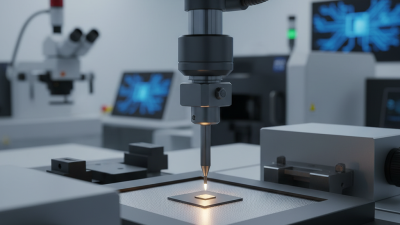
Die Bonding Tool plays a crucial role in manufacturing, especially in the semiconductor industry. This tool is essential for assembling microchips. It ensures a strong bond between the chip and its packaging. The precision of the Die Bonding Tool impacts the overall performance of electronic devices.
In the manufacturing process, accuracy is key. A slight misalignment can lead to product failure. Therefore, understanding the functionality of the Die Bonding Tool is vital. It combines heat and pressure to create a lasting adhesive bond.
However, challenges persist. Operating the Die Bonding Tool requires skilled personnel. Mistakes can happen, leading to wasted materials and time. Reflecting on these outcomes helps improve processes. The importance of this tool cannot be overstated. Ensuring quality in manufacturing starts with effective die bonding techniques.
Understanding Die Bonding Tools: Definition and Functionality
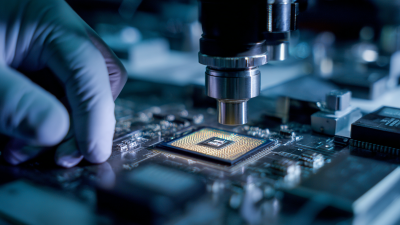
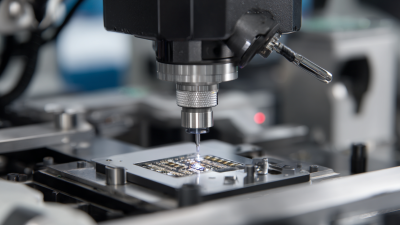
Die bonding tools play a crucial role in the manufacturing industry. They are essential for attaching semiconductor dies to substrates. These tools ensure that electronic components function effectively. The process involves high precision and careful handling.
Typically, die bonding tools use heat, pressure, or both to bond the materials. The functionality of these tools is rooted in their ability to maintain tight tolerances. A slight error can lead to defects. This highlights the importance of using the right tool for the job. Interestingly, some users report challenges with tool calibration. Improper settings can result in poor bonding quality.
Moreover, design variations in die bonding tools can affect effectiveness. Each tool may suit a specific application. However, flexibility remains crucial for adapting to new technologies. In this ever-evolving industry, understanding functionality is not just beneficial—it's essential for success. Adaptation is key. Some may overlook constant training and updates in techniques.
Types of Die Bonding Tools: Materials and Technologies Used
Die bonding tools play a critical role in manufacturing processes, especially in the semiconductor industry. These tools are designed to attach a die or chip to a substrate. Various materials and technologies are employed to optimize the bonding process, ensuring reliability and performance.
Materials used in die bonding tools can vary significantly. Common options include silver, gold, and copper. Each material offers unique benefits, such as thermal conductivity and mechanical strength. Silicone-based adhesives are also popular. They provide flexibility and help maintain the integrity of bonded components in different environments.
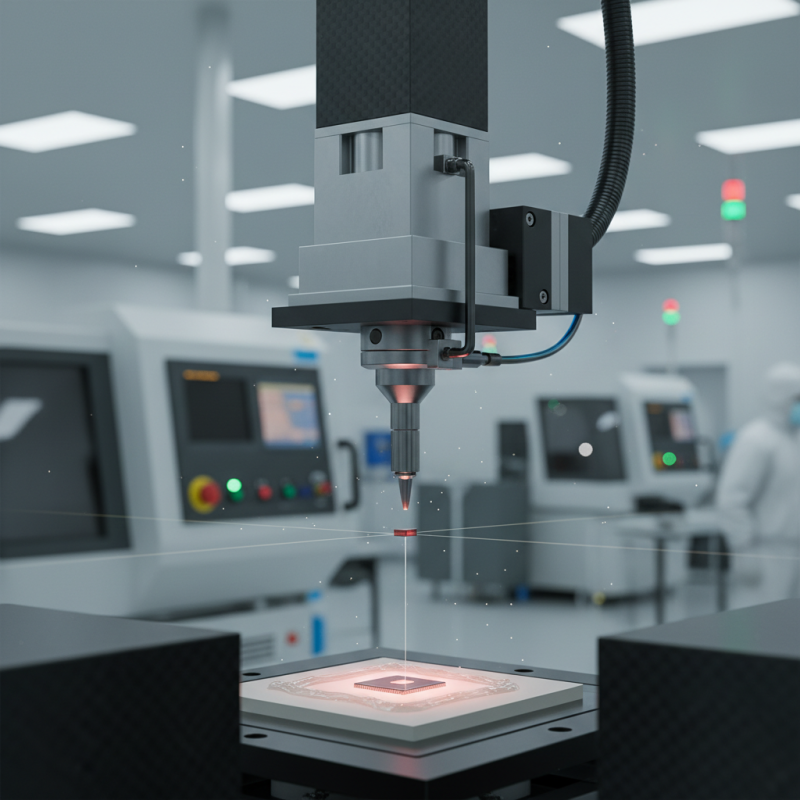
Technologies in die bonding include ultrasonic, thermosonic, and laser bonding. Ultrasonic bonding uses high-frequency vibrations to create a solid bond. Laser bonding, on the other hand, applies focused light to heat the materials quickly. Both methods present challenges and require precise control. Companies may need to evaluate their needs carefully. A small mistake can lead to defects in the final product. As technology evolves, manufacturers must adapt and refine their processes.
Importance of Die Bonding in Semiconductor Manufacturing Processes
Die bonding is crucial in semiconductor manufacturing. This process involves attaching a semiconductor die to a substrate. The reliability of the chip's performance relies significantly on die bonding techniques. It ensures good thermal and electrical connections, which are necessary for optimal functionality.
In the die bonding process, precision matters. An improper bond can lead to failures. For instance, a slight misalignment can affect the chip's efficiency. Using the right tools and methods is essential. Temperature and pressure must be carefully controlled.
Tips: Always check for cleanliness. Dust and contaminants can compromise the bonding process. Regular calibration of equipment is also vital. It helps maintain accuracy in die placement. Evaluate the effectiveness of each method used. Continuous improvement is key in achieving better results.
Market Trends: Growth and Innovations in Die Bonding Technology
Die bonding technology plays a crucial role in the manufacturing sector. It involves attaching semiconductor components to substrates, ensuring reliability in electronic devices. Recent market trends indicate a robust growth in this field. This growth is propelled by the demand for advanced electronic systems and compact devices.
Innovations in die bonding techniques are transforming how manufacturers operate. For instance, automated bonding processes improve precision and reduce human error. However, some manufacturers still struggle with adapting to new technologies. The gap between traditional methods and cutting-edge practices raises concerns. Keeping pace with innovations is a challenge.
Market demands are evolving. Companies need to focus on integrating new techniques to stay competitive. Emerging materials are being tested, and experimentation is crucial. It's a time of change, yet the learning curve poses risks for some. Continuous improvement in die bonding processes is essential for future success.
Challenges in Die Bonding: Quality Control and Process Optimization
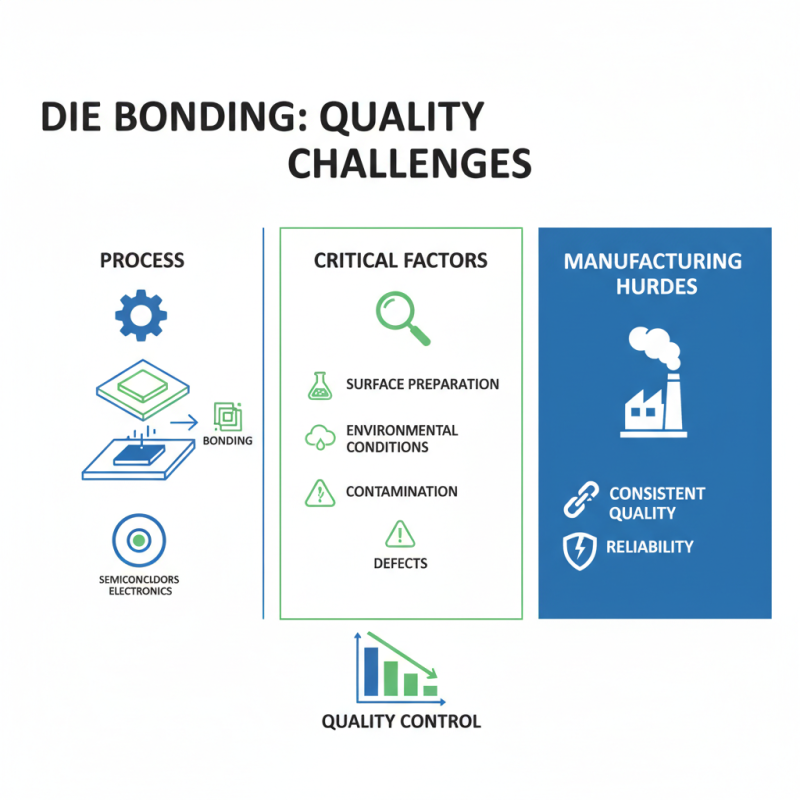
Die bonding is a critical process in manufacturing, especially in the semiconductor and electronics industries. As technology advances, die bonding faces several challenges, particularly in quality control. Factors such as surface preparation and environmental conditions can impact the reliability of the bonding process. Even slight contamination can lead to significant defects in the final product. Manufacturers often struggle to maintain consistent quality during production runs.
Process optimization is equally essential for achieving higher efficiency. Many companies use automated systems to speed up die bonding operations. However, these systems can introduce new challenges, such as alignment issues. Regular maintenance and calibration are necessary, yet often overlooked. Employees may find themselves rushing through setups, which can lead to human error.
Another area needing attention is the training of operators. While automated systems handle most tasks, skilled workers are still crucial. The gap in expertise can result in suboptimal outcomes. Investing time in training can dramatically improve the overall process. Yet, many organizations remain hesitant to dedicate resources to this area. Addressing these challenges requires continuous reflection and adaptation in manufacturing practices.