How to Choose the Best Wire Bonder Machine for Your Needs?
Choosing the right Wire Bonder Machine can be daunting. As technology evolves, options expand. Expert John Smith, a leading engineer in bonding technology, emphasizes, “Selecting the perfect machine is crucial for efficiency.” This sentiment resonates with many manufacturers who depend on precision and reliability.
Wire Bonder Machines come in various types. From manual to fully automated, each offers unique features. Knowing your production needs is key. Add to that the nuances of wire types and bonding techniques, and the selection process can feel overwhelming. Experts suggest conducting thorough research and consulting industry professionals.
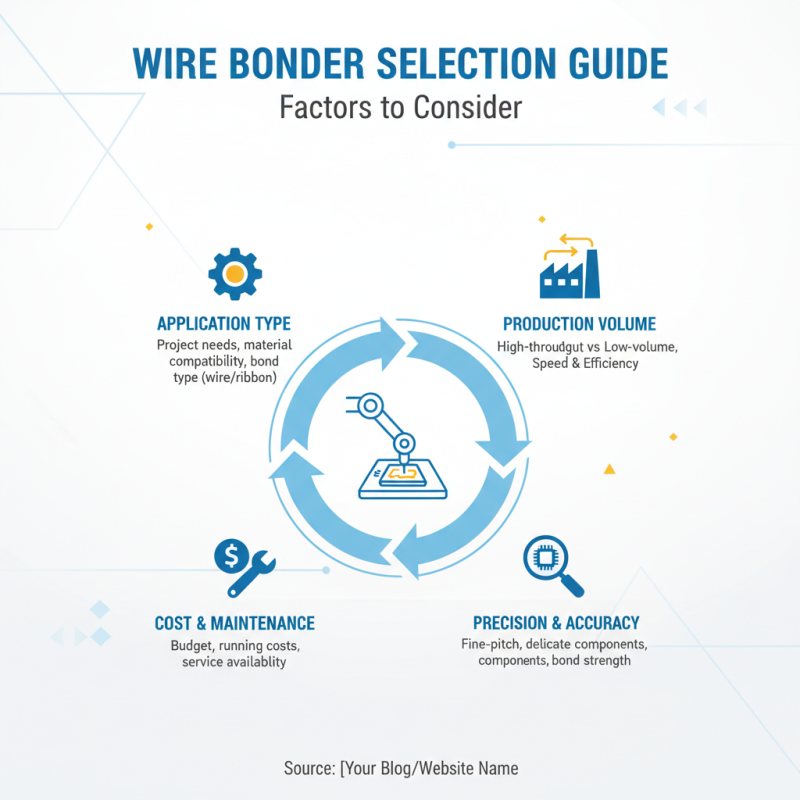
Not every machine is ideal for every application. Reflecting on your specific requirements will guide you. Consider factors like production volume and material compatibility. Sometimes, investing in a higher-end model pays off in the long run. Balancing costs and quality is essential in this journey.
Understanding the Basics of Wire Bonder Machines
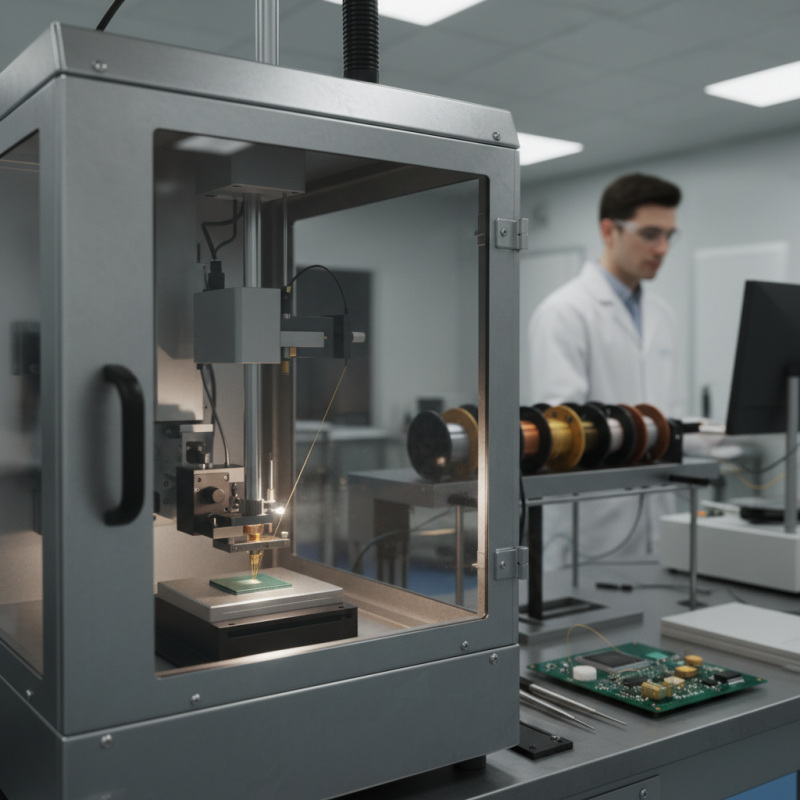
Wire bonder machines are crucial in ensuring reliable connections in electronic devices. Understanding their basics is essential for making informed decisions. A wire bonder uses heat and pressure to bond thin wires to semiconductor chips. This process is vital for creating high-quality electronic components.
When selecting a wire bonder, consider the type of bonding required. There are several methods, like thermosonic or ultrasonic bonding. Each method has its unique strengths and weaknesses. It's important to evaluate your project needs carefully.
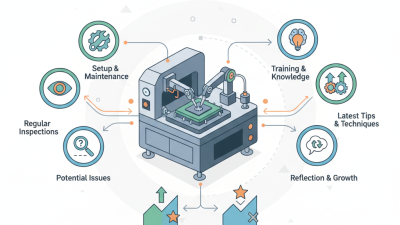
Tips: Always check the machine's specifications. Ensure it fits your production scale. Consider the machine's ease of use. Complicated setups can lead to errors. Regular maintenance is also key. It keeps the machine running smoothly. Don't overlook operator training either. Skilled operators can significantly reduce error rates.
How to Choose the Best Wire Bonder Machine for Your Needs?
| Feature |
Description |
Importance |
| Bonding Type |
Ultrasonic, thermosonic, or thermocompression bonding. |
High |
| Wire Size |
Capable of handling wire sizes from 15 μm to 100 μm. |
Medium |
| Speed |
Number of bonds per second. |
High |
| Ease of Use |
User-friendly interface and programming capabilities. |
High |
| Cost |
Total cost of ownership including maintenance. |
Medium |
| Footprint |
Size of the machine and workspace requirements. |
Medium |
Factors to Consider When Choosing a Wire Bonder Machine
When selecting a wire bonder machine, several critical factors must be considered. The application and production volume are essential. Different projects require distinct bonding capabilities. High-volume applications may prioritize speed and efficiency, while precision tasks need accuracy.
Machine types vary significantly. You might choose from ball bonders or wedge bonders. Ball bonders are often ideal for gold or aluminum wire. In contrast, wedge bonders are suitable for larger wire sizes. Each type has unique strengths. Research shows that a specific type can improve productivity by up to 30%. Assess your production requirements to identify the right fit.
Additional features also play a role in decision-making. The machine's footprint, automation level, and software capabilities should align with existing workflows. Advanced machines offer programmable parameters and fine-tuning options. A well-chosen machine can enhance yield and lower defect rates. Industry analysis indicates that automation can reduce human error by 40%. This underscores the importance of selecting a machine that meets both current and future needs.
Types of Wire Bonder Machines and Their Applications
Wire bonders are essential in semiconductor packaging. Different types cater to various applications. It's crucial to understand these types to make an informed decision.
The most common types include ultrasonic, thermosonic, and wedge bonding machines. Ultrasonic bonder machines are suited for fine-pitch applications. They use high-frequency vibrations to create strong bonds. However, they might create thermal stresses in sensitive components. Thermosonic bonders combine heat and ultrasonic energy. They are excellent for gold wire applications, enhancing bonding reliability. On the other hand, wedge bonders are ideal for larger wire sizes. They offer robust performance but might not be the best for miniaturized designs.
When choosing a machine, consider your specific needs. Each type has its pros and cons. High precision is vital for intricate designs, while speed may matter more in high-volume production. Reflecting on your production environment and goals is necessary. Evaluation can lead to better alignment with your intended application.
Evaluating Performance Features of Wire Bonder Machines
When selecting a wire bonder machine, understanding performance features is vital. Operators should focus on speed, accuracy, and versatility. Speed, often measured in wire bond count per hour, can significantly impact production. An ideal machine should boast a minimum of 3,000 bonds per hour.
Accuracy is equally important. Machines that achieve a placement accuracy of 10 microns or better are highly rated in the industry.
Additionally, versatility in handling various substrates is crucial. Many machines can bond to gold, copper, and aluminum wires. Research indicates that 75% of manufacturers prefer machines that can adapt to multiple wire sizes. This flexibility can lead to reduced downtime during production changes.
Another essential aspect is user-friendly interfaces and software capabilities. A well-designed interface can minimize training time. Data from industry reports shows that intuitive software improves operator efficiency by 25%. However, some machines still lack this essential feature, prompting questions about usability in production environments. The right balance of these performance features can greatly influence your wire bonding process, ensuring it meets your specific needs while allowing room for growth and efficiency improvements.
Budgeting for Your Wire Bonder Machine Investment
Investing in a wire bonder machine is a significant financial decision.
Planning your budget carefully is essential. Start by assessing your production needs.
Understand the volume and type of applications that require bonding. This insight helps determine
the features you need in a machine. Some machines have advanced capabilities, which may not
always be necessary for smaller projects.
Consider maintenance and operational costs.
These can add up over time. Machine reliability affects productivity directly; unreliable machines
lead to increased costs. It's essential to estimate potential downtime and repairs. A lower initial
purchase price may tempt you, but hidden costs could make it less attractive in the long run.
Lastly, don’t forget to account for training and support. Investing in staff training
ensures everyone can use the machine efficiently. If training resources are lacking or costly,
it could impact your return on investment. Reflect on your specific requirements. Balancing
budget with capability is challenging but crucial for long-term success.