Why Choose the Best Wire Bond Machine for Your Production Needs?
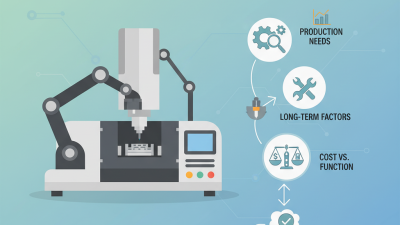
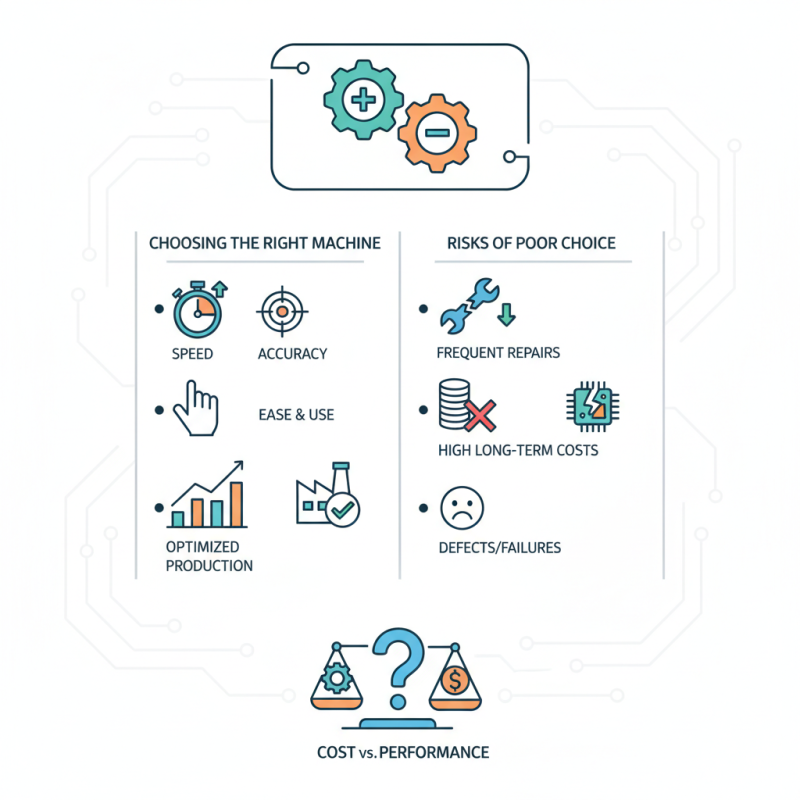
When selecting a Wire Bond Machine, it's crucial to understand the significant impact it has on production quality and efficiency. The right machine can enhance precision and reduce the risk of defects in electronic components. Many manufacturers face the challenge of balancing cost and performance. Some may settle for lower-quality machines that lead to higher long-term expenses due to frequent repairs and failures.
Choosing a top-tier Wire Bond Machine requires careful consideration. Features like speed, accuracy, and ease of use play a vital role in optimizing production processes. A reliable machine minimizes downtime and maximizes output, making it a smart investment for any production line. However, not all machines are created equal, which can confuse buyers.
In the fast-paced world of electronics manufacturing, informed decision-making is essential. Investing in a high-quality Wire Bond Machine can significantly influence operational success. It’s important to weigh both benefits and potential drawbacks when making a choice. Each option presents unique challenges that can lead to reflection on what is truly needed for productivity and growth.
Understanding Wire Bonding and Its Importance in Electronics Manufacturing
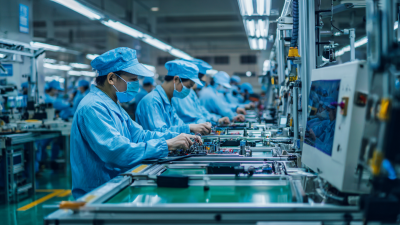
Wire bonding is a crucial process in electronics manufacturing. It creates reliable connections between semiconductor chips and their packages. These connections are essential for device functionality. The technique involves using fine wires to establish electrical pathways. As devices become smaller, ensuring quality in wire bonding is more important than ever.
Quality wire bonding requires expertise and precision. Manufacturers must understand the nuances of materials and environmental conditions. The choice of bonding parameters can greatly affect outcomes. Inconsistent bonding can lead to failures in the field, impacting overall product reliability. Engineers must continually refine their methods to adapt to evolving technologies. This requires not just knowledge, but a willingness to address challenges.
Selecting the right wire bond machine is not merely a technical decision. It reflects a commitment to excellence in production. A machine that meets specific production needs can enhance efficiency and reduce waste. However, even the best machines require skilled operators. Ongoing training and process assessments are vital. Companies must be open to learning from both successes and failures to improve their manufacturing processes continuously.
Key Features to Look For in a Wire Bond Machine
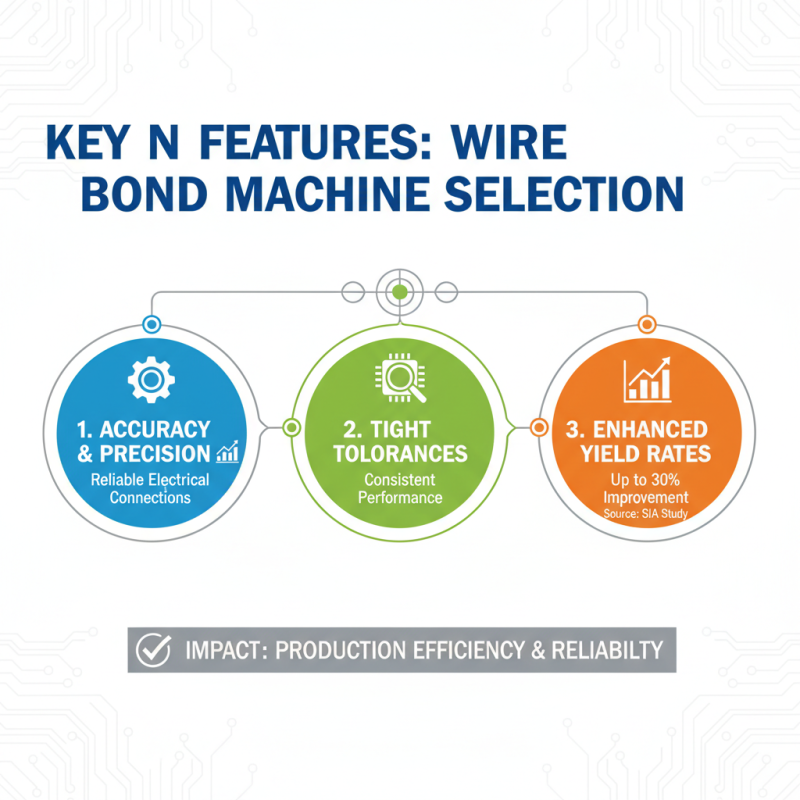
When selecting a wire bond machine, several key features significantly impact production efficiency. One vital aspect is wire bond accuracy. Precision is crucial for ensuring reliable electrical connections. A study by the Semiconductor Industry Association reports that improving bond precision can enhance yield rates by up to 30%. Therefore, machines that consistently achieve tight tolerances are preferable.
Another essential feature is the machine’s bonding speed. Production lines demand quick turnaround times. Data suggests that machines capable of 700 bonds per hour can significantly reduce cycle times. This increase allows companies to meet high-volume demands. However, it is important to balance speed with bond quality. High-speed machines may occasionally compromise precision. Thus, production teams need to assess their requirements carefully.
Maintenance and ease of use are also critical. Machines that simplify routine upkeep can lower downtime. The average downtime due to maintenance in the wire bonding process is around 15%. This percentage highlights the importance of easy access to critical components. Additionally, user-friendly interfaces can reduce training time for operators. In an industry that constantly evolves, companies must remain adaptable to changing technologies and production needs.
Comparative Analysis of Different Types of Wire Bond Machines
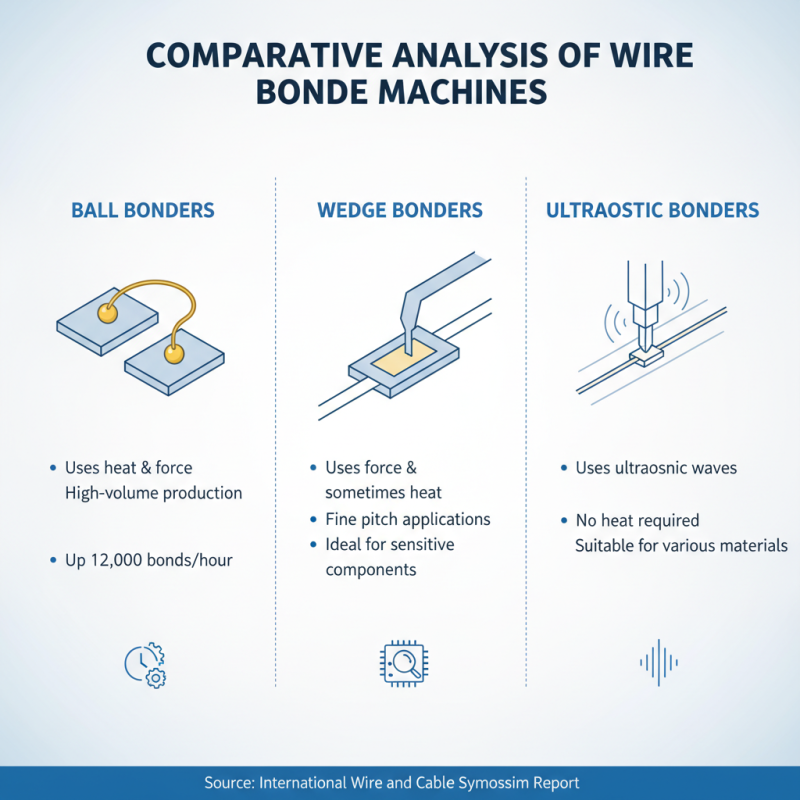
When considering wire bond machines, understanding the differences is crucial. There are several types available, including ball bonders, wedge bonders, and ultrasonic bonders. Each machine has unique advantages based on production needs. A report by the International Wire and Cable Symposium indicates that ball bonders are highly efficient. They can produce up to 12,000 bonds per hour in high-volume environments.
Wedge bonders, on the other hand, are known for their precision. They may operate slower, averaging around 5,000 bonds per hour, but they excel in applications requiring delicate handling. The technology used in these machines varies, impacting reliability. Some users report issues with maintaining consistent bond strength under varying conditions.
Ultrasonic bonders also offer distinct advantages. They use high-frequency sound waves to create bonds. This method can reduce thermal damage, particularly critical in sensitive electronics. However, transitioning to this technology may require updated training for operators. Such shifts in production processes should be carefully evaluated against current capabilities and required output levels. Balancing efficiency and precision is key to selecting the right machine for your needs.
Evaluating Cost-Effectiveness of Investing in High-Quality Equipment
Investing in high-quality equipment, such as wire bond machines, can significantly enhance production efficiency. A report from the Semiconductor Industry Association indicates that a 10% improvement in equipment reliability can lead to a productivity increase of 5% to 15%. This improvement not only accelerates output but also reduces operational costs in the long run.
While the initial investment may seem steep, it is essential to consider the total cost of ownership. A study published in the Journal of Manufacturing Processes estimated that outdated machines incur maintenance costs that are 20% higher over five years compared to newer models. This discrepancy highlights the potential financial strain of sticking with subpar equipment.
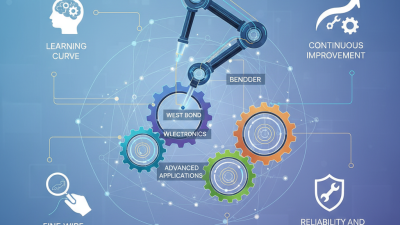
However, high-quality machines may not always deliver immediate returns. The transition period often includes a learning curve and possible downtimes. As a result, businesses need to weigh the short-term challenges against the long-term benefits in increased efficiency and decreased maintenance costs. Rethinking equipment choices wisely is crucial for staying competitive in an evolving market.
Why Choose the Best Wire Bond Machine for Your Production Needs?
| Feature |
Basic Model |
Mid-Range Model |
High-End Model |
| Initial Cost |
$20,000 |
$50,000 |
$100,000 |
| Production Speed (Wires/Hour) |
300 |
600 |
1200 |
| Yield Rate (%) |
85% |
90% |
95% |
| Maintenance Cost/Year |
$2,000 |
$1,000 |
$500 |
| Return on Investment (Years) |
5 |
3 |
2 |
Case Studies: Success Stories with the Right Wire Bond Machines
In the realm of wire bonding technology, success stories can illuminate the importance of choosing the right machine. One company faced challenges with high defect rates and prolonged production times. They switched to a more advanced wire bond machine, leading to a significant reduction in errors. The new machine's precision allowed for tighter bonding with less material waste.
Another case study involved a manufacturer aiming for greater scalability. Initially, they struggled to meet increasing demand with their outdated equipment. By investing in a versatile wire bond machine, they improved their output efficiency. The machine's adaptability to different bonding techniques helped them expand their product line without sacrificing quality.
However, selecting the appropriate machine is not always straightforward. Companies often face steep learning curves. Training personnel effectively takes time and resources. A thorough assessment of production needs can help mitigate these issues. Engaging in detailed planning and evaluating performance metrics can significantly enhance the chances of achieving optimal results.
Production Efficiency Improvement with the Best Wire Bond Machines
This chart illustrates the improvement in production efficiency before and after switching to the best wire bond machines across various production lines. Each data point represents different production scenarios that successfully implemented advanced wire bonding technology.